

First, What Is Yoga, Really?
Yoga is not just about sitting in a weird pose and trying to touch your toes. In reality, it’s a whole-body system that combines:
- Movement (stretches and poses – called asanas)
- Breathing (deep, slow, intentional – called pranayama)
- Mindfulness or focus (being present, not worrying about tomorrow or yesterday)
It’s thousands of years old, but incredibly relevant today—especially in our fast, stressful, disconnected modern lives.
Yoga isn’t just a pose—it’s a posture of care.
Not just fitness — it’s foundational health.
- From a Functional & Integrative Medicine Perspective
Functional & Integrative Medicine looks at the root cause of disease, not just symptoms.
So instead of just saying, “you have high blood pressure, here’s a pill,”
we ask: Why is it high? What’s the bigger story behind this number?
This is where Yoga comes in. It supports your health on multiple levels:
a.) Nervous System Health:
- Yoga calms the stress response system (called the sympathetic nervous system).
- When you’re constantly in “fight or flight” mode, your body can’t heal.
- Yoga activates “rest & digest” mode, which helps your body repair and recover.
b.) Reduces Inflammation:
- Inflammation is at the root of many chronic diseases (like diabetes, arthritis, even cancer).
- Yoga lowers inflammatory markers in your blood. Think of it as a natural anti-inflammatory… without the side effects.
c.) Improves Gut Health:
- Deep breathing and certain postures massage your internal organs, including your intestines.
- This boosts digestion, relieves bloating, and supports your gut microbiome (those good bacteria that keep your immune system strong).
d.) Supports Mental Wellness:
- Anxiety, depression, insomnia, and burnout respond very well to consistent yoga.
- People who practice regularly report more emotional balance, fewer mood swings, and better sleep.
e.) Hormonal Balance:
- Yoga can help regulate cortisol (your stress hormone), insulin (blood sugar), thyroid, and sex hormones (like estrogen and testosterone).
- This is especially helpful for women going through PCOS, menopause, or irregular periods
2. Physical Fitness Benefits
Yoga isn’t a replacement for all exercise, but it’s one of the best places to start (especially if you’re inactive, overweight, older, or just looking for low-impact fitness).
Here’s what it does physically:
a.)Builds Strength:
- You use your own body weight, which is gentler than lifting heavy at the gym but still effective.
- It strengthens your core, legs, arms, and back — essential for posture and injury prevention.
b.)Improves Flexibility:
- You’ll slowly gain better range of motion in your joints.
- This reduces stiffness, muscle tightness, and chronic pain (especially back and neck pain).
c.)Boosts Cardiovascular Health:
- Certain styles (like Vinyasa or Power Yoga) increase your heart rate and improve circulation.
- Even slow yoga improves blood pressure, heart rate variability, and oxygen delivery.
d.)Better Balance & Posture:
- This is important as we age. Falls and fractures become serious risks. Yoga trains your inner stability.
- Helps reduce “tech neck” and poor sitting habits — especially if you work in an office.
3. Financial Benefits: How Yoga Saves You Money
a.)Reduces Health Expenses in the Long Run
- By improving your blood pressure, blood sugar, cholesterol, weight, and mental health, Yoga lowers your risk of chronic diseases.
- Fewer diseases = fewer hospital visits, fewer medications, and lower insurance costs.
b.)Prevents Missed Workdays
- Yoga boosts energy, reduces fatigue, and builds resilience.
- People who practice are less likely to get sick or need to take time off due to burnout or stress.
c.)Reduces Medication Use
- Many people with hypertension, anxiety, diabetes, or insomnia report needing fewer pills or lower doses after regular practice.
- That’s real money saved every month.
In Kenya’s informal settlements, it’s not just about touching your toes.
It’s about touching your own potential, taking back your health, and creating a future where healing is proactive, not reactive.
Whether you’re a mum in Kibra or a boda boda rider in Mathare, Yoga — supported by functional medicine — can truly change your life. Our recent health-fitness collaboration Leso Fest Wellness Drive is a true testament. Laughter, movement & medicine met. Not in glossy studios or luxury retreats but in open fields of @Rowallan Scouts Camp, Jamhuri with women from Nairobi’s Kibra informal settlements, wrapping their strength in lesos and stretching into healing. With @its_lydia zumba leading dance fitness and yoga, we reminded ourselves: movement is medicine.
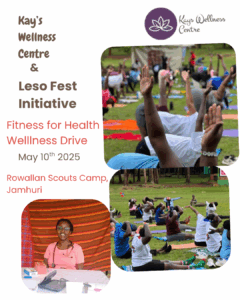 Then came the checkups:
Cervical Cancer Screening, Blood Sugar & BP Checks & Health talks led by myself & Dr. Lucy Nyachae, MD on the power of prevention & early detection. A worthwhile initiative specially in communities that often go unseen. Because yoga isn’t just a pose—it’s a posture of care. It’s not just fitness — it’s foundational health.
Final Word: Why You Should Care About Yoga
| Aspect | Benefit |
| It’s for ALL ages & body types | You don’t need to be slim, fit, or flexible. That’s a myth. Yoga meets you where you are—whether you’re 70 or 17, active or bedridden. |
| Can Be Practiced Anywhere | No need fancy mats or studios. A leso on the ground (indoors /outdoors) is enough. Even chair yoga exists! |
| Physical Health | Strength, flexibility, heart health, digestion |
| Mental Health | Reduces anxiety, depression, improves sleep |
| Disease Prevention | Lowers risk of diabetes, hypertension, arthritis, cancer |
| Financial Benefit | Cuts medication, fewer sick days, lower health bills |
| Accessibility | Can be done anywhere, by anyone |
| Community Impact | Builds trust, support, safe spaces for wellness |
| It’s Evolving | Modern yoga incorporates music, therapy, trauma healing, and more. Some classes are slow and meditative, others are upbeat and cardio-based (like Zumba Yoga fusion). |