

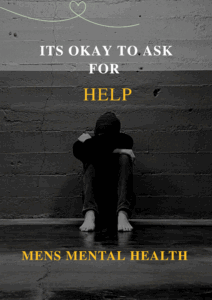
Men’s Mental Health Awareness: Breaking the Silence, One Conversation at a Time
June marks Men’s Mental Health Awareness Month, a critical time to spotlight a subject often ignored or brushed under the carpet—the emotional and psychological wellbeing of men and boys. The purpose of this month is simple yet urgent: to increase awareness of preventable mental health issues and encourage early intervention, support, and healing.
The Silent Crisis Among Men
Across the globe and here in Africa, men are culturally conditioned to “man up”—to be tough, self-reliant, and emotionally stoic. Opening up about one’s mental struggles is often mistaken for weakness. But bottling up pain doesn’t make it go away. Instead, it festers, often showing up in the form of:
- Violent outbursts (domestic violence, physical fights),
- Addiction (alcohol, drugs, gambling),
- Chronic stress-related illnesses, and tragically,
- Suicide, which claims the lives of more men than women globally.
In Kenya, the rising number of suicides among men—especially young men—is alarming. Many suffer in silence, afraid of judgment or social ridicule.
Common Causes of Mental Health Challenges in Men
Understanding what leads to mental health struggles in men is key to addressing them. Common causes include:
- Financial stress (unemployment, debt, providing for a family),
- Relationship challenges (divorce, breakups, lack of emotional support),
- Trauma and grief (loss of loved ones, violence, childhood trauma),
- Workplace pressure (burnout, toxic environments),
- Lack of identity or purpose, especially among youth,
- Social isolation due to poor friendships or broken support systems.
Forms of Mental Health Challenges
Men may suffer from:
- Depression (masked as anger, fatigue, or irritability),
- Anxiety disorders,
- Post-Traumatic Stress Disorder (PTSD),
- Substance abuse disorders, and
- Suicidal thoughts and ideation.
Unfortunately, most men don’t even recognize these symptoms or seek help—until it’s too late.
Why the Stigma Persists
The stigma around mental health is deeply entrenched:
- Fear of being labelled as “weak” or “less manly”
- Social pressure to maintain a tough exterior
- Religious or cultural beliefs that discourage emotional vulnerability
- Misinformation and lack of awareness about mental illnesses
This silence only fuels the problem.
How to Cope: Healing Starts with Speaking Up
The first step to healing is acknowledging that it’s okay not to be okay. There is no shame in seeking help. Here are practical coping strategies:
- Speak to Someone You Trust
Confide in a close friend, sibling, spouse, or religious leader. You don’t have to face everything alone.
- Professional Help is Available
If you feel overwhelmed but uncomfortable visiting a counselling centre physically, help is available anonymously and confidentially.
Kenya Red Cross Society’s Toll-Free Hotline: 1199
Available 24/7, this number connects you to trained counsellors who can listen and offer psychosocial support.
You can also reach them directly via phone at (+254) 703 037 000.
- Healthy Lifestyle Choices
- Stay physically active—exercise boosts mood.
- Eat a balanced diet and stay hydrated.
- Avoid alcohol, smoking, and drugs.
- Sleep well and maintain a routine.
- Join a Support Group or Men’s Fellowship
Being around others with similar experiences can help normalize your feelings and reduce isolation.
- Learn and Educate Others
Understanding mental health helps fight stigma. Share helpful content, attend mental health talks, or simply listen when someone opens up.
Your Story Could Save a Life
This Men’s Mental Health Awareness Month, let’s rewrite the narrative. Let’s teach our boys that strength lies in vulnerability, not in silence. Let’s remind our fathers, brothers, sons, and friends that they matter—and that seeking help is a courageous act, not a sign of failure.
Break the silence. Support a man. Speak up.