

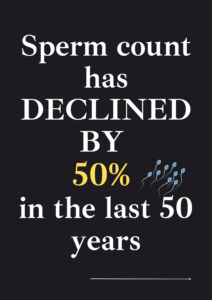
“Global sperm counts have plummeted by over 50% in the last 50 years, with an annual decline of 1.1% observed in recent decades, according to a 2022 meta-analysis published in Human Reproduction Update (Levine et al., 2022). This trend has sparked growing concerns about male reproductive health and its broader implications for public health.
Root Causes of Declining Sperm Counts:
- Exposure to environmental toxins :
- Pesticides: Studies indicate that organophosphates and other pesticides disrupt endocrine function, leading to reduced sperm quality (Swan et al., 2021).
- Plastics: Chemicals like BPA and phthalates, found in everyday products, mimic estrogen, altering hormonal balance and impairing spermatogenesis (Meeker et al., 2010).
- Poor nutrition :
- Diets high in processed foods and low in essential nutrients like zinc, selenium, omega-3 fatty acids, and antioxidants are associated with lower sperm counts and motility (Salas-Huetos et al., 2019).
- Sedentary lifestyles :
- Lack of physical activity leads to obesity and insulin resistance, both of which negatively impact testosterone production and sperm health (Du Plessis et al., 2011).
- Chronic stress :
- Stress triggers elevated cortisol levels, which interfere with testosterone production, affecting sperm quality (Li et al., 2011).
- Endocrine-disrupting chemicals (EDCs) :
- Found in personal care products, food packaging, and industrial pollutants, EDCs interfere with the hypothalamic-pituitary-gonadal axis, essential for sperm production (Gore et al., 2015).
A Functional Medicine Approach to Address the Decline:
- Optimize diet with nutrient-dense foods :
- Focus on a Mediterranean-style diet rich in antioxidants (e.g., vitamin C, E, zinc, selenium) and omega-3 fatty acids to combat oxidative stress and support sperm quality (Salas-Huetos et al., 2019).
- Reduce exposure to toxins :
- Switch to organic foods to avoid pesticide residues and use BPA-free containers to minimize plastic exposure.
- Manage stress effectively ♂️:
- Engage in regular mindfulness practices, yoga, or meditation to lower cortisol levels.
- Improve sleep quality :
- Ensure 7-8 hours of restorative sleep each night, as poor sleep disrupts testosterone production and reduces sperm quality (Alvarenga et al., 2015).
- Maintain physical activity ♂️:
- Regular moderate exercise improves hormone balance, reduces oxidative stress, and enhances overall fertility (Vaamonde et al., 2012).
- Personalized healthcare interventions :
- Partner with a Functional Medicine practitioner to identify and address individual health challenges such as nutrient deficiencies, oxidative stress, or chronic inflammation.
This multidimensional approach offers a proactive path to improving sperm health and mitigating the effects of this alarming trend. Small lifestyle changes, informed by scientific evidence, can contribute to reversing the decline and fostering long-term reproductive health.”